Buy eurolamps.eu ?
We are moving the project
eurolamps.eu .
Are you interested in purchasing the domain
eurolamps.eu ?
domain@kv-gmbh.de · 0541-91531010
Buy eurolamps.eu ?
Is hydrolysis and hydrogenation the same chemistry?
No, hydrolysis and hydrogenation are not the same chemistry. Hydrolysis is a chemical reaction where a compound is broken down by reacting with water, resulting in the formation of two or more new compounds. On the other hand, hydrogenation is a chemical reaction where hydrogen is added to a compound, typically in the presence of a catalyst, to saturate double or triple bonds. These two processes involve different reactions and outcomes, making them distinct from each other. **
How would you estimate the enthalpy of hydrogenation here and why?
To estimate the enthalpy of hydrogenation, I would use the experimental data from the given reaction. By measuring the initial and final temperatures, as well as the amount of heat released during the reaction, I can calculate the enthalpy change using the formula ΔH = q/n, where q is the heat released and n is the amount of substance. Additionally, I would compare the experimental enthalpy change to the standard enthalpy of hydrogenation for hydrogen gas to determine the accuracy of the experimental data. This comparison would help me estimate the enthalpy of hydrogenation for the given reaction. **
Similar search terms for Hydrogenation
Top-Angebote
Products related to Hydrogenation:
-
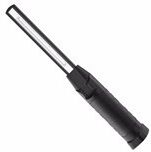
LENA LIGHTING 608551 Hand lampsProduct line: HANDY FUTURE; Luminous Flux [lm]: 150, 60; Illumination Angle [degree]: 120; Rated Power [W]: 6; Battery Capacity [Ah]: 1200; Protection Type (IP Code): IP 20; Colour Temperature [K]: 6500; Battery: Li-Ion Rechargeable Battery; Operating voltage [V]: 3.7; Plug Type: USB type-C; Weight [g]: 160; Colour: green; Features: with hook20,99 £*Shipping: 8,45 £Secure redirect to the provider
-
LENA LIGHTING 608568 Hand lampsProduct line: HANDY MULTY; Light Duration [h]: 2.5; Operational Duration up to [h]: 4; Light Design: LED; Luminous Flux [lm]: 240, 400; Illumination Angle [degree]: 120; Rated Power [W]: 5, 6; Battery Capacity [Ah]: 2000; Features: IK 10; Protection Type (IP Code): IP 40; Colour Temperature [K]: 6500; Battery: Li-Ion Rechargeable Battery; Plug Type: USB type-C; Operating voltage [V]: 3.7; Weight [g]: 274; Features: foldable; Colour: green28,99 £*Shipping: 8,45 £Secure redirect to the provider
-
Uplift Picks Plastic Sewing Fixtures Set Beginner Sewing Tools For Hand Sewing Plastic Sewing Fixtures Set Beginner Sewing Tools For Hand SewingMake everyday sewing easier and more enjoyable with these practical sewing fixtures designed for simple, handson projects. Lightweight and easy to handle, they help guide fabric and improve control while stitching. The bright yellow and white design...47,00 $*Shipping: 0,00 $Secure redirect to the provider




-
Does the natural occurrence of the hydrogenation of substances exist in nature?
Yes, the natural occurrence of hydrogenation does exist in nature. For example, the hydrogenation of unsaturated fats in the presence of enzymes is a natural process that occurs in the human body during digestion. Additionally, certain microorganisms are capable of carrying out hydrogenation reactions as part of their metabolic processes. Therefore, hydrogenation is not solely a man-made process, but also occurs naturally in various biological systems. **
-
How can one calculate the resonance energy if only the hydrogenation value is given?
To calculate the resonance energy when only the hydrogenation value is given, one can use the formula: Resonance energy = (ΔH°f of the compound) - (ΔH°f of the hydrogenated compound). The ΔH°f values represent the standard enthalpies of formation of the compounds. By subtracting the ΔH°f of the hydrogenated compound from the ΔH°f of the original compound, one can determine the resonance energy. This calculation helps in understanding the stability and reactivity of the molecule based on its resonance energy. **
-
Can LED lamps be used in enclosed fixtures?
Yes, LED lamps can be used in enclosed fixtures. However, it is important to choose LED lamps that are specifically designed for use in enclosed fixtures to ensure proper ventilation and heat dissipation. Using LED lamps that are not designed for enclosed fixtures can lead to overheating and reduced lifespan of the bulbs. Always check the manufacturer's specifications and recommendations before using LED lamps in enclosed fixtures. **
-
What is the difference between illumination and lighting?
Illumination refers to the overall level of light in a space, while lighting refers to the specific fixtures and sources of light used to achieve that level of illumination. In other words, illumination is the result of the combined effect of all the lighting in a space, while lighting refers to the individual components that contribute to the overall illumination. Illumination is the overall brightness of a space, while lighting refers to the specific fixtures and sources of light used to achieve that brightness. **


How are sodium vapor lamps used in street lighting?
Sodium vapor lamps are commonly used in street lighting due to their high efficiency and long lifespan. These lamps produce a bright yellow light that is easily visible from a distance, making them ideal for illuminating streets and highways. The sodium vapor lamps work by passing an electric current through a tube containing sodium and a small amount of neon gas, which produces the characteristic yellow light. This type of lighting is also cost-effective and provides good color rendering, making it a popular choice for outdoor lighting applications. **
Why does the street lighting with LED lamps have this light color?
LED lamps used for street lighting have a cooler, bluish-white light color because they emit light in the blue and green spectrum. This color temperature is chosen for street lighting because it provides better visibility and color rendering, making it easier for drivers and pedestrians to see and distinguish objects at night. Additionally, LED lamps are more energy-efficient and have a longer lifespan compared to traditional street lighting, making them a popular choice for municipalities looking to save on energy and maintenance costs. **
Top-Angebote
Products related to Hydrogenation:
-
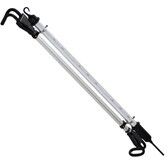
LENA LIGHTING 267215 Hand lampsLight Design: LED; Product line: PROFI SERVICE SET; Luminous Flux [lm]: 1200; Illumination Angle [degree]: 120; Rated Power [W]: 12; Protection Type (IP Code): IP 54; Colour Temperature [K]: 4000; Length [mm]: 1090; Cable Length [m]: 5; Weight [kg]: 1.1; Voltage [V]: 230; Features: wired; Supplementary Article / Supplementary Info Info 2: with clip78,49 £*Shipping: 8,45 £Secure redirect to the provider
-
LENA LIGHTING 334764 Hand lampsProduct line: CRANE; Light Duration [h]: 3; Operational Duration up to [h]: 5.5; Light Design: LED; Luminous Flux [lm]: 120, 450; Illumination Angle [degree]: 120; Rated Power [W]: 1, 5; Battery Capacity [Ah]: 2600; Protection Type (IP Code): IP 40; Colour Temperature [K]: 6500; Battery: Li-Ion Rechargeable Battery; Plug Type: USB type-C; Operating voltage [V]: 3.7; Weight [g]: 49048,49 £*Shipping: 8,45 £Secure redirect to the provider
-
LENA LIGHTING 608551 Hand lampsProduct line: HANDY FUTURE; Luminous Flux [lm]: 150, 60; Illumination Angle [degree]: 120; Rated Power [W]: 6; Battery Capacity [Ah]: 1200; Protection Type (IP Code): IP 20; Colour Temperature [K]: 6500; Battery: Li-Ion Rechargeable Battery; Operating voltage [V]: 3.7; Plug Type: USB type-C; Weight [g]: 160; Colour: green; Features: with hook20,99 £*Shipping: 8,45 £Secure redirect to the provider
-
LENA LIGHTING 608568 Hand lampsProduct line: HANDY MULTY; Light Duration [h]: 2.5; Operational Duration up to [h]: 4; Light Design: LED; Luminous Flux [lm]: 240, 400; Illumination Angle [degree]: 120; Rated Power [W]: 5, 6; Battery Capacity [Ah]: 2000; Features: IK 10; Protection Type (IP Code): IP 40; Colour Temperature [K]: 6500; Battery: Li-Ion Rechargeable Battery; Plug Type: USB type-C; Operating voltage [V]: 3.7; Weight [g]: 274; Features: foldable; Colour: green28,99 £*Shipping: 8,45 £Secure redirect to the provider
-
Is hydrolysis and hydrogenation the same chemistry?
No, hydrolysis and hydrogenation are not the same chemistry. Hydrolysis is a chemical reaction where a compound is broken down by reacting with water, resulting in the formation of two or more new compounds. On the other hand, hydrogenation is a chemical reaction where hydrogen is added to a compound, typically in the presence of a catalyst, to saturate double or triple bonds. These two processes involve different reactions and outcomes, making them distinct from each other. **
-
How would you estimate the enthalpy of hydrogenation here and why?
To estimate the enthalpy of hydrogenation, I would use the experimental data from the given reaction. By measuring the initial and final temperatures, as well as the amount of heat released during the reaction, I can calculate the enthalpy change using the formula ΔH = q/n, where q is the heat released and n is the amount of substance. Additionally, I would compare the experimental enthalpy change to the standard enthalpy of hydrogenation for hydrogen gas to determine the accuracy of the experimental data. This comparison would help me estimate the enthalpy of hydrogenation for the given reaction. **
-
Does the natural occurrence of the hydrogenation of substances exist in nature?
Yes, the natural occurrence of hydrogenation does exist in nature. For example, the hydrogenation of unsaturated fats in the presence of enzymes is a natural process that occurs in the human body during digestion. Additionally, certain microorganisms are capable of carrying out hydrogenation reactions as part of their metabolic processes. Therefore, hydrogenation is not solely a man-made process, but also occurs naturally in various biological systems. **
-
How can one calculate the resonance energy if only the hydrogenation value is given?
To calculate the resonance energy when only the hydrogenation value is given, one can use the formula: Resonance energy = (ΔH°f of the compound) - (ΔH°f of the hydrogenated compound). The ΔH°f values represent the standard enthalpies of formation of the compounds. By subtracting the ΔH°f of the hydrogenated compound from the ΔH°f of the original compound, one can determine the resonance energy. This calculation helps in understanding the stability and reactivity of the molecule based on its resonance energy. **
Similar search terms for Hydrogenation
-
Uplift Picks Plastic Sewing Fixtures Set Beginner Sewing Tools For Hand Sewing Plastic Sewing Fixtures Set Beginner Sewing Tools For Hand SewingMake everyday sewing easier and more enjoyable with these practical sewing fixtures designed for simple, handson projects. Lightweight and easy to handle, they help guide fabric and improve control while stitching. The bright yellow and white design...47,00 $*Shipping: 0,00 $Secure redirect to the provider
-
Can LED lamps be used in enclosed fixtures?
Yes, LED lamps can be used in enclosed fixtures. However, it is important to choose LED lamps that are specifically designed for use in enclosed fixtures to ensure proper ventilation and heat dissipation. Using LED lamps that are not designed for enclosed fixtures can lead to overheating and reduced lifespan of the bulbs. Always check the manufacturer's specifications and recommendations before using LED lamps in enclosed fixtures. **
-
What is the difference between illumination and lighting?
Illumination refers to the overall level of light in a space, while lighting refers to the specific fixtures and sources of light used to achieve that level of illumination. In other words, illumination is the result of the combined effect of all the lighting in a space, while lighting refers to the individual components that contribute to the overall illumination. Illumination is the overall brightness of a space, while lighting refers to the specific fixtures and sources of light used to achieve that brightness. **
-
How are sodium vapor lamps used in street lighting?
Sodium vapor lamps are commonly used in street lighting due to their high efficiency and long lifespan. These lamps produce a bright yellow light that is easily visible from a distance, making them ideal for illuminating streets and highways. The sodium vapor lamps work by passing an electric current through a tube containing sodium and a small amount of neon gas, which produces the characteristic yellow light. This type of lighting is also cost-effective and provides good color rendering, making it a popular choice for outdoor lighting applications. **
-
Why does the street lighting with LED lamps have this light color?
LED lamps used for street lighting have a cooler, bluish-white light color because they emit light in the blue and green spectrum. This color temperature is chosen for street lighting because it provides better visibility and color rendering, making it easier for drivers and pedestrians to see and distinguish objects at night. Additionally, LED lamps are more energy-efficient and have a longer lifespan compared to traditional street lighting, making them a popular choice for municipalities looking to save on energy and maintenance costs. **
* All prices are inclusive of VAT and, if applicable, plus shipping costs. The offer information is based on the details provided by the respective shop and is updated through automated processes. Real-time updates do not occur, so deviations can occur in individual cases. ** Note: Parts of this content were created by AI.