Buy eurolamps.eu ?
We are moving the project
eurolamps.eu .
Are you interested in purchasing the domain
eurolamps.eu ?
domain@kv-gmbh.de · 0541-91531010
Buy eurolamps.eu ?
How can one start cantering and steer while cantering?
To start cantering, the rider should first establish a balanced and secure seat at the trot. Then, with a light aid from the inside leg and a supporting aid from the outside leg, the rider can ask the horse to transition into the canter. Once in the canter, the rider can steer by using their weight, leg aids, and rein aids to direct the horse in the desired direction. It's important to maintain a balanced and relaxed position while cantering and to communicate clearly with the horse through the aids. Practice and patience are key to developing a smooth and effective canter and steering while cantering. **
What causes fear of cantering?
The fear of cantering can be caused by a variety of factors, including a lack of confidence in one's riding ability, a fear of losing control or falling off the horse, or a previous negative experience while cantering. Some riders may also feel anxious about the speed and power of the canter, especially if they are not used to it. Additionally, a lack of trust in the horse or feeling unprepared for the transition from trotting to cantering can also contribute to the fear of cantering. **
Similar search terms for Cantering
Top-Angebote
Products related to Cantering:
-
LENA LIGHTING 608551 Hand lampsProduct line: HANDY FUTURE; Luminous Flux [lm]: 150, 60; Illumination Angle [degree]: 120; Rated Power [W]: 6; Battery Capacity [Ah]: 1200; Protection Type (IP Code): IP 20; Colour Temperature [K]: 6500; Battery: Li-Ion Rechargeable Battery; Operating voltage [V]: 3.7; Plug Type: USB type-C; Weight [g]: 160; Colour: green; Features: with hook19,49 £*Shipping: 8,45 £Secure redirect to the provider
-
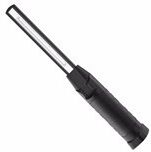
LENA LIGHTING 608568 Hand lampsProduct line: HANDY MULTY; Light Duration [h]: 2.5; Operational Duration up to [h]: 4; Light Design: LED; Luminous Flux [lm]: 240, 400; Illumination Angle [degree]: 120; Rated Power [W]: 5, 6; Battery Capacity [Ah]: 2000; Features: IK 10; Protection Type (IP Code): IP 40; Colour Temperature [K]: 6500; Battery: Li-Ion Rechargeable Battery; Plug Type: USB type-C; Operating voltage [V]: 3.7; Weight [g]: 274; Features: foldable; Colour: green26,99 £*Shipping: 8,45 £Secure redirect to the provider
-
Uplift Picks Plastic Sewing Fixtures Set Beginner Sewing Tools For Hand Sewing Plastic Sewing Fixtures Set Beginner Sewing Tools For Hand SewingMake everyday sewing easier and more enjoyable with these practical sewing fixtures designed for simple, handson projects. Lightweight and easy to handle, they help guide fabric and improve control while stitching. The bright yellow and white design...47,00 $*Shipping: 0,00 $Secure redirect to the provider



-
What is a pole for cantering?
A pole for cantering is a horizontal pole placed on the ground that is used as a guide or marker for the horse and rider during cantering exercises. It helps the rider maintain a straight line and encourages the horse to stay balanced and focused. Canter poles can also be used to improve the horse's rhythm, stride length, and overall coordination during the canter. **
-
What are some tips for cantering?
1. Maintain a balanced and secure seat by keeping your weight centered over the horse's back and your heels down. 2. Use your inside leg to ask for the canter and your outside leg to maintain impulsion and prevent the horse from falling out of the canter. 3. Keep a light contact with the horse's mouth and use half-halts to regulate the speed and balance. 4. Look ahead and keep your eyes up to stay balanced and focused. 5. Practice transitions between trot and canter to improve your horse's responsiveness and your own coordination. **
-
What tips are there for cantering bareback?
When cantering bareback, it is important to have a secure seat and good balance. Start at a slower pace to get comfortable with the movement before increasing speed. Use your legs to help guide and control the horse, and engage your core muscles to stay centered. Practice regularly to improve your balance and confidence while cantering bareback. **
-
What is the fear of cantering 2?
The fear of cantering 2, also known as dyadophobia, is an irrational fear or anxiety specifically related to the number 2. This fear may stem from superstitions, cultural beliefs, or personal experiences. People with dyadophobia may experience anxiety, panic attacks, or avoidance behaviors when encountering the number 2 in various contexts. Treatment for dyadophobia may involve cognitive-behavioral therapy, exposure therapy, and relaxation techniques to help manage the fear. **
Can a horse be exercised without cantering?
Yes, a horse can be exercised without cantering. There are many other forms of exercise that can benefit a horse, such as walking, trotting, lunging, and hill work. These exercises can help improve the horse's strength, flexibility, and overall fitness without the need for cantering. It is important to vary the types of exercise to keep the horse engaged and prevent boredom or overuse injuries. **
Why does the mare buck when cantering?
A mare may buck when cantering due to a variety of reasons, such as discomfort from ill-fitting tack or physical issues like back pain. It could also be a response to fear, excitement, or frustration. Additionally, some mares may buck as a form of play or to establish dominance in a herd. It is important to address the underlying cause of the behavior and work with a professional trainer or veterinarian to address any issues and ensure the mare's well-being. **
Top-Angebote
Products related to Cantering:
-
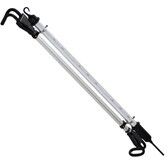
LENA LIGHTING 267215 Hand lampsLight Design: LED; Product line: PROFI SERVICE SET; Luminous Flux [lm]: 1200; Illumination Angle [degree]: 120; Rated Power [W]: 12; Protection Type (IP Code): IP 54; Colour Temperature [K]: 4000; Length [mm]: 1090; Cable Length [m]: 5; Weight [kg]: 1.1; Voltage [V]: 230; Features: wired; Supplementary Article / Supplementary Info Info 2: with clip72,99 £*Shipping: 8,45 £Secure redirect to the provider
-
LENA LIGHTING 334764 Hand lampsProduct line: CRANE; Light Duration [h]: 3; Operational Duration up to [h]: 5.5; Light Design: LED; Luminous Flux [lm]: 120, 450; Illumination Angle [degree]: 120; Rated Power [W]: 1, 5; Battery Capacity [Ah]: 2600; Protection Type (IP Code): IP 40; Colour Temperature [K]: 6500; Battery: Li-Ion Rechargeable Battery; Plug Type: USB type-C; Operating voltage [V]: 3.7; Weight [g]: 49044,99 £*Shipping: 8,45 £Secure redirect to the provider
-
LENA LIGHTING 608551 Hand lampsProduct line: HANDY FUTURE; Luminous Flux [lm]: 150, 60; Illumination Angle [degree]: 120; Rated Power [W]: 6; Battery Capacity [Ah]: 1200; Protection Type (IP Code): IP 20; Colour Temperature [K]: 6500; Battery: Li-Ion Rechargeable Battery; Operating voltage [V]: 3.7; Plug Type: USB type-C; Weight [g]: 160; Colour: green; Features: with hook19,49 £*Shipping: 8,45 £Secure redirect to the provider
-
LENA LIGHTING 608568 Hand lampsProduct line: HANDY MULTY; Light Duration [h]: 2.5; Operational Duration up to [h]: 4; Light Design: LED; Luminous Flux [lm]: 240, 400; Illumination Angle [degree]: 120; Rated Power [W]: 5, 6; Battery Capacity [Ah]: 2000; Features: IK 10; Protection Type (IP Code): IP 40; Colour Temperature [K]: 6500; Battery: Li-Ion Rechargeable Battery; Plug Type: USB type-C; Operating voltage [V]: 3.7; Weight [g]: 274; Features: foldable; Colour: green26,99 £*Shipping: 8,45 £Secure redirect to the provider
-
How can one start cantering and steer while cantering?
To start cantering, the rider should first establish a balanced and secure seat at the trot. Then, with a light aid from the inside leg and a supporting aid from the outside leg, the rider can ask the horse to transition into the canter. Once in the canter, the rider can steer by using their weight, leg aids, and rein aids to direct the horse in the desired direction. It's important to maintain a balanced and relaxed position while cantering and to communicate clearly with the horse through the aids. Practice and patience are key to developing a smooth and effective canter and steering while cantering. **
-
What causes fear of cantering?
The fear of cantering can be caused by a variety of factors, including a lack of confidence in one's riding ability, a fear of losing control or falling off the horse, or a previous negative experience while cantering. Some riders may also feel anxious about the speed and power of the canter, especially if they are not used to it. Additionally, a lack of trust in the horse or feeling unprepared for the transition from trotting to cantering can also contribute to the fear of cantering. **
-
What is a pole for cantering?
A pole for cantering is a horizontal pole placed on the ground that is used as a guide or marker for the horse and rider during cantering exercises. It helps the rider maintain a straight line and encourages the horse to stay balanced and focused. Canter poles can also be used to improve the horse's rhythm, stride length, and overall coordination during the canter. **
-
What are some tips for cantering?
1. Maintain a balanced and secure seat by keeping your weight centered over the horse's back and your heels down. 2. Use your inside leg to ask for the canter and your outside leg to maintain impulsion and prevent the horse from falling out of the canter. 3. Keep a light contact with the horse's mouth and use half-halts to regulate the speed and balance. 4. Look ahead and keep your eyes up to stay balanced and focused. 5. Practice transitions between trot and canter to improve your horse's responsiveness and your own coordination. **
Similar search terms for Cantering
-
Uplift Picks Plastic Sewing Fixtures Set Beginner Sewing Tools For Hand Sewing Plastic Sewing Fixtures Set Beginner Sewing Tools For Hand SewingMake everyday sewing easier and more enjoyable with these practical sewing fixtures designed for simple, handson projects. Lightweight and easy to handle, they help guide fabric and improve control while stitching. The bright yellow and white design...47,00 $*Shipping: 0,00 $Secure redirect to the provider
-
What tips are there for cantering bareback?
When cantering bareback, it is important to have a secure seat and good balance. Start at a slower pace to get comfortable with the movement before increasing speed. Use your legs to help guide and control the horse, and engage your core muscles to stay centered. Practice regularly to improve your balance and confidence while cantering bareback. **
-
What is the fear of cantering 2?
The fear of cantering 2, also known as dyadophobia, is an irrational fear or anxiety specifically related to the number 2. This fear may stem from superstitions, cultural beliefs, or personal experiences. People with dyadophobia may experience anxiety, panic attacks, or avoidance behaviors when encountering the number 2 in various contexts. Treatment for dyadophobia may involve cognitive-behavioral therapy, exposure therapy, and relaxation techniques to help manage the fear. **
-
Can a horse be exercised without cantering?
Yes, a horse can be exercised without cantering. There are many other forms of exercise that can benefit a horse, such as walking, trotting, lunging, and hill work. These exercises can help improve the horse's strength, flexibility, and overall fitness without the need for cantering. It is important to vary the types of exercise to keep the horse engaged and prevent boredom or overuse injuries. **
-
Why does the mare buck when cantering?
A mare may buck when cantering due to a variety of reasons, such as discomfort from ill-fitting tack or physical issues like back pain. It could also be a response to fear, excitement, or frustration. Additionally, some mares may buck as a form of play or to establish dominance in a herd. It is important to address the underlying cause of the behavior and work with a professional trainer or veterinarian to address any issues and ensure the mare's well-being. **
* All prices are inclusive of VAT and, if applicable, plus shipping costs. The offer information is based on the details provided by the respective shop and is updated through automated processes. Real-time updates do not occur, so deviations can occur in individual cases. ** Note: Parts of this content were created by AI.